Questions and answers
What is Still Here about?
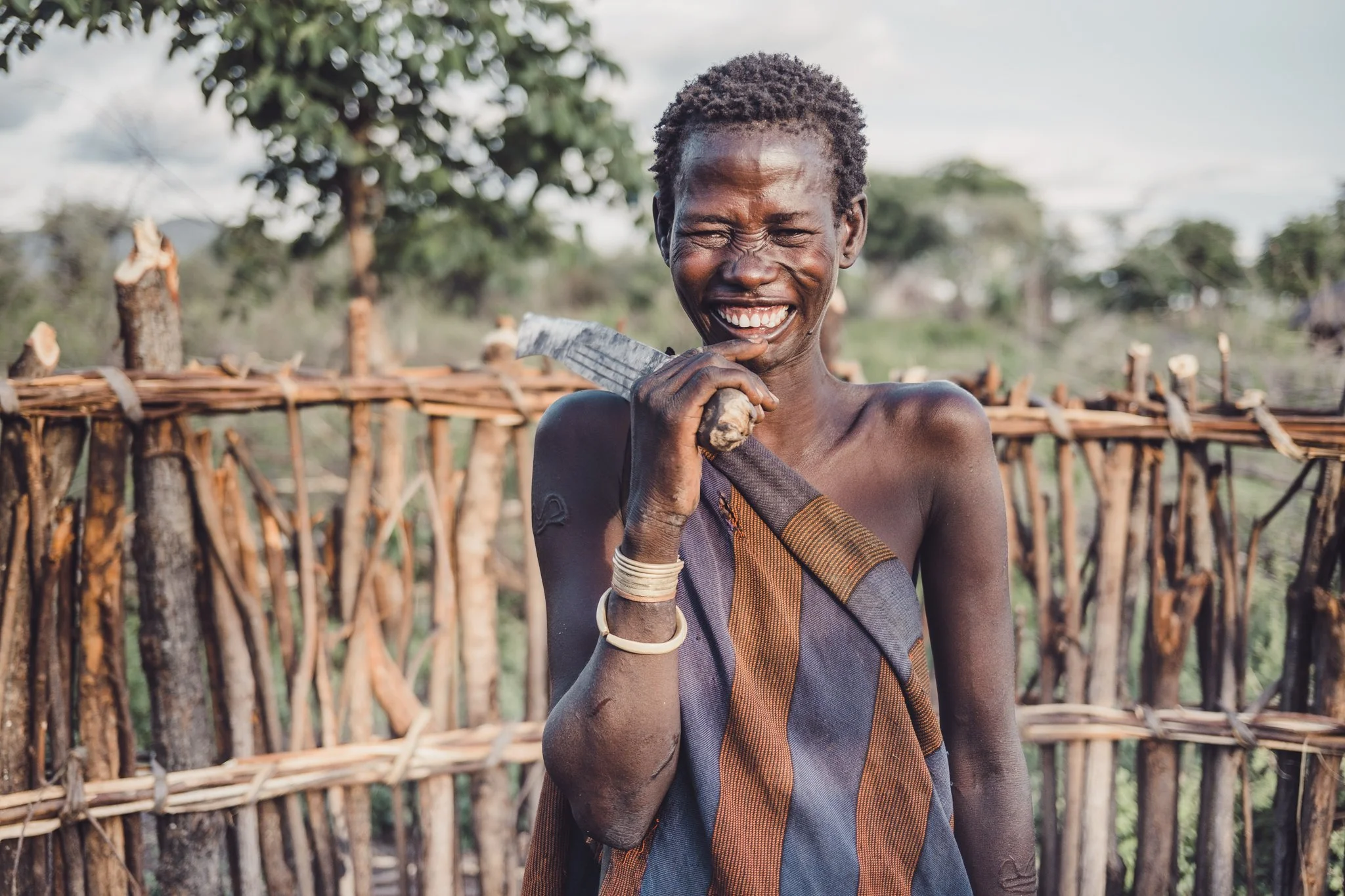
Still Here is a portrait of fourteen remote communities across eastern and southern Africa. To write it, I travelled to meet people who have lived on the same land for generations as they navigate a rapidly changing world, with less certain rains and young people deciding whether to stay or leave. The book combines photographs with written accounts drawn from my field notebooks.
Why is it called Still Here?
Because that is the simplest true thing I can say about the people I met. In an increasingly urbanised world, remote communities like the ones I visited are often described as disappearing or as relics of a past age. In reality, they are neither. The people I met are living their lives, adapting, and making decisions about their future. They are still here.
How did you reach the fourteen communities?
Often, it started with someone from the community who now lives in the city. As in remote communities around the world, many young people have moved to urban areas. Through online discussions and in-person conversations across the region, one person would connect me with another, and so on, until I met someone with a personal connection to one of the communities I hoped to reach. That is how I reached almost all of them: old-fashioned word of mouth.
How long did the project take?
The fieldwork took just over three years. Sometimes I spent only a few days with a community; other times, around a week. I was very aware that I was a visitor. I wanted to stay long enough to get to know each community, but I also didn’t want to be the house guest who overstayed his welcome.
How did you build trust with the people you met?
Building trust is about building relationships, and that takes time. So I took the time. I generally aimed to arrive around noon, when the day’s activities slow as people wait out the midday heat. It was my opportunity to say hello and chat. Community members often had questions about the book and why I had come, but also about my family and my everyday life. I used that time to answer them all.
Then I made participation my purpose. My camera and notebook stayed in my bag for the first hours, and sometimes days. If people were collecting firewood, I collected firewood. If they were herding cattle, I helped, or at least I tried. My efforts were often so poor that they became a source of amusement in many of the communities I visited. Slowly, trust grew.
How do you get consent?
Consent lies at the heart of my work. I always asked the people I met whether they were happy to speak with me and whether I could take their photograph. I explained how I would share their story and likeness. When children were present, I spoke with their parents to confirm that they consented to their children being included in conversations and photographs. If someone declined, I did not include them.
I also knew that politeness can lead people to agree even when they feel uneasy, so I made sure everyone had time to ask whatever they wanted. That was the advantage of spending time with each community: I could show people the photographs I had taken and listen to their feedback, so that everyone featured could properly consent to being included.
How do you communicate with the people you meet?
In most of the communities in Still Here, I was accompanied by someone local who could translate. Spending time in each community also meant I could ask the same question in different ways, to make sure the translations were accurate and represented what people meant.
Isn’t there a risk of romanticising remote communities?
Yes, and I take that risk seriously. The people in this book are not illustrations, and their lives are not symbols. Throughout the fieldwork, I was careful to record what I saw and heard without preconceived ideas of what these communities should or should not be like. Still Here is not a comprehensive record of the communities I visited. There will be things I did not see, and others I might have missed had I been there on a different day. It is a snapshot of everyday life, as I witnessed it, in communities making decisions about their future.
What do you hope readers take from the book?
Beyond the photographs and a glimpse into the everyday lives of the people I met, I hope readers will recognise how similar their choices are to those facing the rest of the world. All over the world, in cities and remote areas alike, people are deciding how to deal with the impact of a changing climate, with young people moving in search of opportunities and food and water security. Wherever we live, the choices we must make are more alike than we might expect.
Where can I buy Still Here?
Still Here is published by Rockhopper Books. It is available in South Africa and Mauritius, with international availability to follow. For the latest details, visit bypaulchoy.com/stillhere.
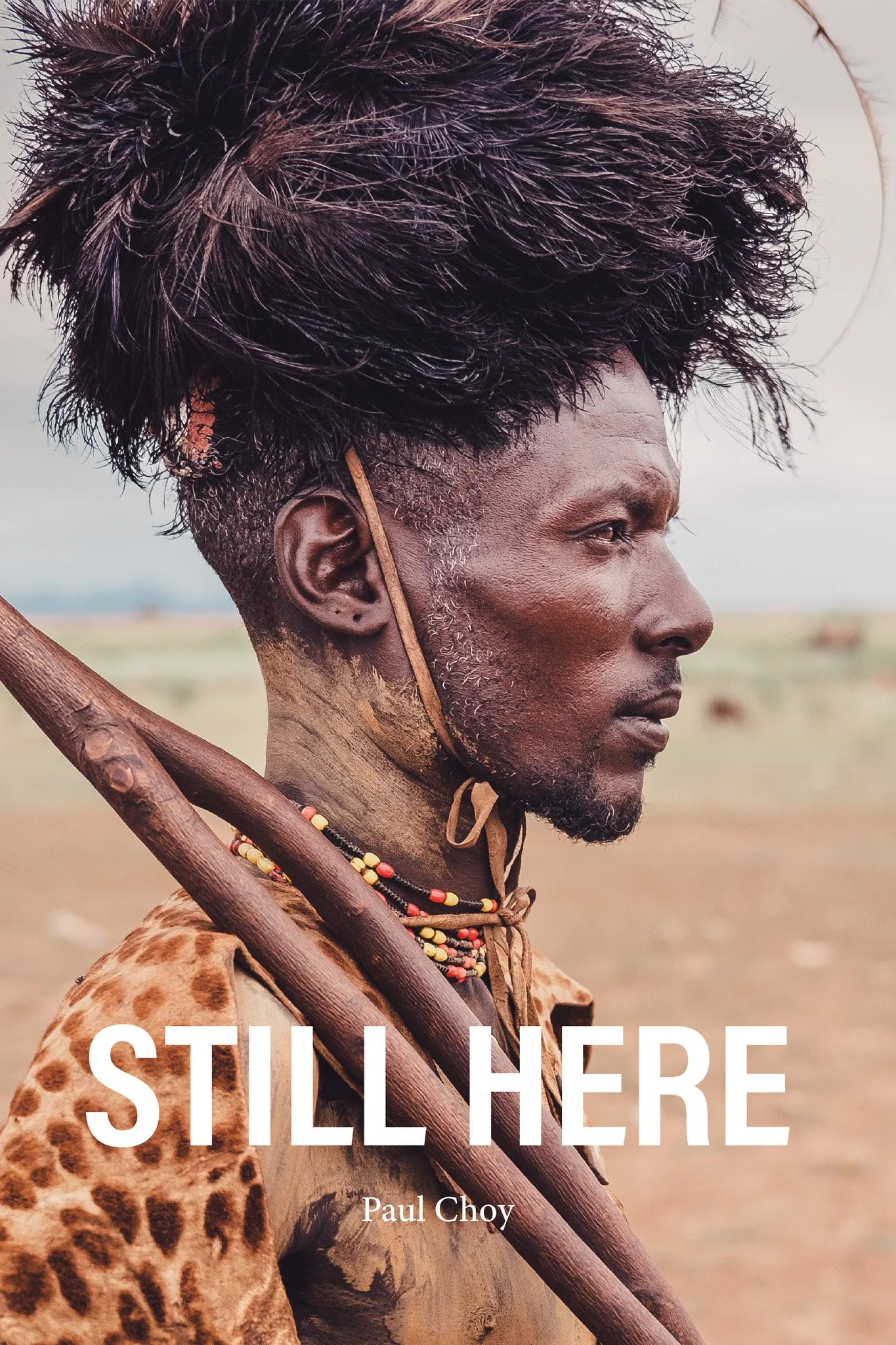
Publisher: Rockhopper Books
Pages: 284
Print ISBN: 978-1-0483-1308-6
Digital ISBN: 978-1-0483-1309-3